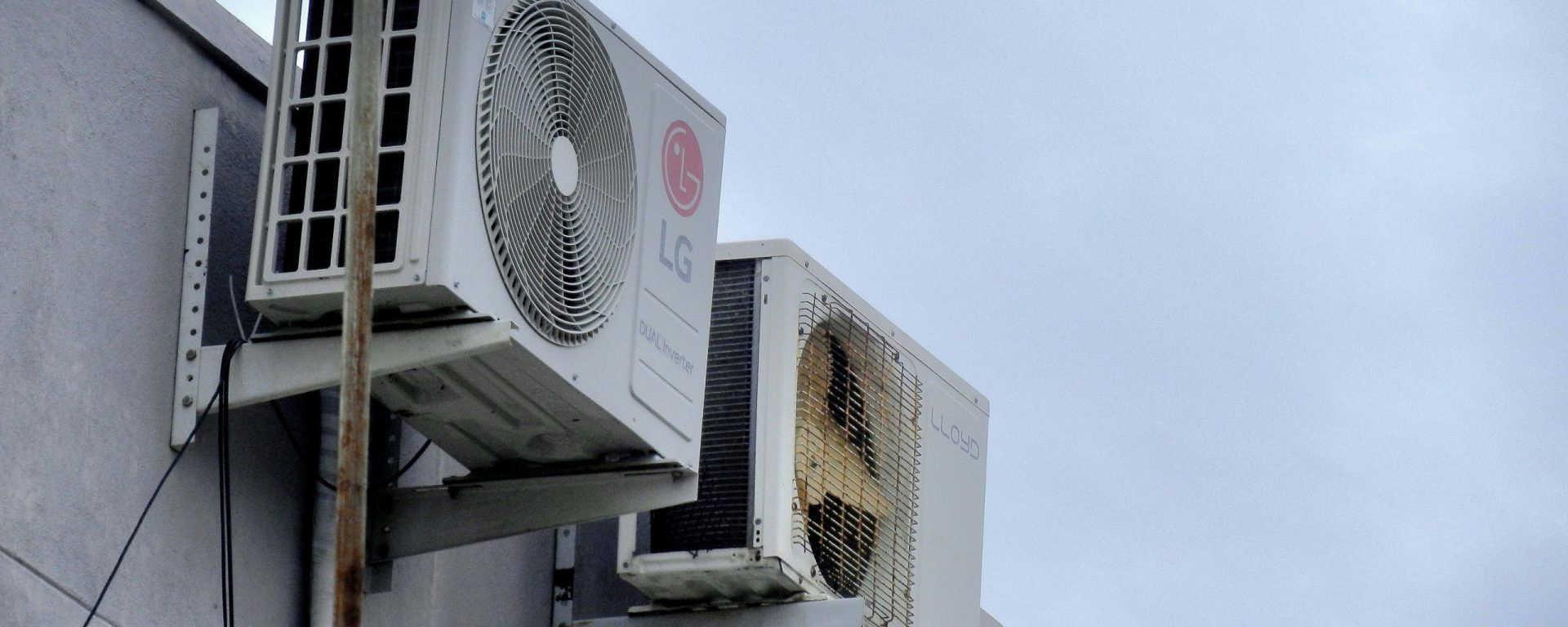
In Manning, summers don’t just arrive; they press in with warm, wet air that sticks to everything. That’s why shopping for air conditioning Taree homes is more than just thinking about cold air. They’re weighing humidity, smoke days, salt-laced breezes from the coast, and those sudden storm belts that can roll up the valley. The right system, sized and installed for local conditions, quietly keeps life comfortable, bills reasonable, and indoor air cleaner when the outside goes sideways. This guide pulls together what matters most for Taree homes, climate realities, system choices, running costs, compliance in NSW, and the kind of maintenance that actually extends the life of a unit in a coastal-regional town.
What Taree’s Climate Means For Your Air Conditioner
Summer Heat And Humidity Patterns
Taree’s summers are warm-to-hot and humid, with sticky afternoons and overnight minimums that don’t always cool down. Humidity is as important as heat: an air conditioner needs sufficient capacity and airflow to remove moisture from the air, not just lower the temperature. Undersized systems can leave rooms cool-ish but clammy, which feels uncomfortable and encourages mold.
Bushfire Smoke And Indoor Air Quality
The 2019–20 Black Summer fires made it clear: smoke can sit in the Manning for days. On bad air quality days, reverse-cycle air conditioners running in cooling mode with doors and windows shut can help, provided filters are clean. Many modern splits support aftermarket fine filters; even then, regular filter cleaning is important because smoke particles and ash can quickly clog coils.
Coastal Corrosion And Storm Resilience
While Taree sits inland on the river, sea air and nor’easters still carry salt. Outdoor units near the coast (Old Bar, Harrington, Hallidays) face faster corrosion, but even in town, salt and storm debris can cause issues. Look for coil coatings, stainless fasteners, and solid mounting. After big rain or those punchy summer storms, it’s worth a quick rinse and check to keep fins clear.
Choosing The Right System For Taree Homes
Split System Vs Multi-Split Vs Ducted
- Split systems suit single rooms or open-plan living. They’re affordable, efficient, and quick to install.
- Multi-splits connect several indoor units to one outdoor unit, handy for townhouses or tight yards, but each head’s output depends on what’s running, and service costs can be higher.
- Ducted systems deliver whole-home comfort with zoning. They cost more upfront and need roof space in single-level homes, but they’re neat and quiet. In Taree’s humid months, a well-sized ducted inverter with proper return air can dehumidify effectively.
Sizing And Zoning For Typical Floor Plans
Older weatherboard and brick veneer homes around Taree vary a lot in insulation and ceiling height. A common mistake is buying on headline kilowatts instead of a load calculation. A 2.5–3.5 kW split suits many bedrooms: 5–7 kW covers a medium living area, if insulation is decent. For ducted, zoning bedrooms separately from living areas avoids cooling the whole house when only one zone is in use, which cuts running costs.
Noise, Placement, And Aesthetics
Indoor head units should throw air the length of the room without blasting the sofa. Outdoors, avoid mounting on shared walls or under bedrooms: rubber feet and a solid slab reduce vibration. If a view matters, slimline outdoor units or side-yard placement with good airflow can keep the street front tidy. Check council setbacks and be mindful of neighbors; quiet modes at night help keep the peace.
Energy Efficiency And Running Costs
Star Ratings, Inverter Tech, And Set-Point Strategy
Australia’s Zoned Energy Rating Label (ZERL) shows performance in hot, average, and cold zones: Taree users should pay attention to the hot-zone figures. Inverter systems ramp output up and down to match demand, a big win on humid days with fluctuating loads. For comfort and savings, set 24–26°C in summer: every degree lower can add roughly 5–10% to energy use. Use “dry” or dehumidify modes on muggy but not scorching days.
Insulation, Sealing, And Ceiling Fan Synergy
A well-insulated roof and sealed gaps around doors and downlights shrink the load, especially in older cottages. Ceiling fans don’t cool the air but improve comfort by increasing evaporation, allowing the AC to set a couple of degrees higher. Shade west-facing glass and close curtains in the afternoon, and you’ll notice the difference on your power bill.
Tariffs, Timers, And Smart Controls
On NSW time-of-use tariffs, shifting pre-cooling to shoulder periods helps. Smart controllers and Wi‑Fi apps let households start cooling before peak and nudge set points remotely. Some retailers and networks, including regional provider Essential Energy partners, run demand response programs that offer bill credits for allowing slight temperature tweaks during peak events. It’s worth asking about these when comparing plans.
Installation And Compliance In NSW
Licensing, Standards, And Warranty Basics
Any technician handling refrigerant must hold an ARCtick (ARC) license. Electrical connections must comply with NSW requirements and AS/NZS 3000 (Wiring Rules) and be completed by a licensed electrician. Following manufacturer clearances and local codes protects warranty, keep your install paperwork and the Certificate of Compliance for Electrical Work.
Outdoor Unit Placement And Drainage
Outdoor units need unobstructed airflow, corrosion-resistant fixings, and clearance from garden beds and fences. In flood-prone pockets of the Manning (memories of 2021 linger), consider raised brackets above known water levels. Route condensate drains to lawful points with a fall, and add a trap or pump if needed to avoid drips along paths or staining walls.
Electrical Load And Switchboard Checks
Older switchboards with ceramic fuses may need an upgrade to support a new circuit and RCD protection. Each larger split or ducted system typically needs a dedicated circuit sized to the unit’s maximum current. A quick pre-quote load assessment prevents nuisance tripping later and keeps the insurer happy.
Maintenance And Repairs In A Coastal-Regional Area
Seasonal Service Schedule
A simple rhythm works: a full professional service in spring (before the heat) and a lighter check in late summer if the unit has worked hard. In between, clean filters monthly during peak use. After smoky days or dust from harvest traffic, give the outdoor coil a gentle rinse from the inside out.
DIY Care Vs Professional Servicing
Homeowners can:
- Wash or vacuum filters
- Clear leaves and cobwebs from around the outdoor unit
- Wipe indoor grills and check remote batteries
Pros should handle:
- Coil cleaning chemicals and fin straightening
- Refrigerant checks and leak testing (licensed work)
- Electrical tests, drain flush, fan balance, and firmware updates, where applicable
Common Faults And When To Call For Help
Blocked drains cause indoor drips: iced indoor coils point to airflow issues or low refrigerant. Geckos, ants, and moisture can take out control boards, regional life. If the system short-cycles, runs but doesn’t cool, trips the breaker, or shows error codes, call a licensed tech. Early attention usually means a cheaper fix and less downtime during a heatwave.
Costs, Rebates, And Hiring A Local Installer
Typical Price Ranges And Total Cost Of Ownership
As a ballpark in 2025:
- Bedroom split (2.5–3.5 kW): $1,800–$2,800 installed
- Living-area split (5–7 kW): $2,800–$4,500
- Multi-split (2–4 rooms): $4,000–$9,000+ depending on runs
- Ducted (single-level, 3–5 zones): $8,000–$15,000+
Running costs vary with usage and tariff, but a modern 2.5 kW bedroom split might draw 0.5–0.8 kW in steady cooling, roughly 15–30 cents per hour at 30–40 c/kWh. Filters, occasional coil cleans, and a service every year or two are small costs that protect compressors and keep bills down.
Energy Rebates And Efficiency Programs
NSW’s Energy Savings Scheme supports accredited providers to deliver upgrades: some run periodic residential air-con offers for high-efficiency units at discounted rates. Retailers sometimes pay bill credits for demand response participation. While there isn’t a standing state rebate for every split system, asking local installers about current ESS programs or manufacturer cashback can turn up genuine savings.
Quotes, Site Assessments, And Aftercare
Good local installers do a site visit, measure rooms, check insulation, assess the switchboard, and look at outdoor placement for airflow and corrosion risk. Comparing two or three written quotes helps. Look at model numbers, ZERL ratings, included electrical work, and aftercare. Priority service during heatwaves, first-year checkups, and clear warranty support are worth a little extra on the ticket.
Conclusion
Air conditioning Taree homes require is more than air conditioning in a dry inland town. Humidity, smoke days, salt, and punchy storms test equipment and installations. Choosing a system sized for real-world loads, installed to NSW standards, and maintained with a coastal-regional mindset pays for itself in comfort and lower running costs. With the right plan, a home stays cool, air stays cleaner, and summer feels a lot more like summer should.
 TOPTOURZ.travel.blog