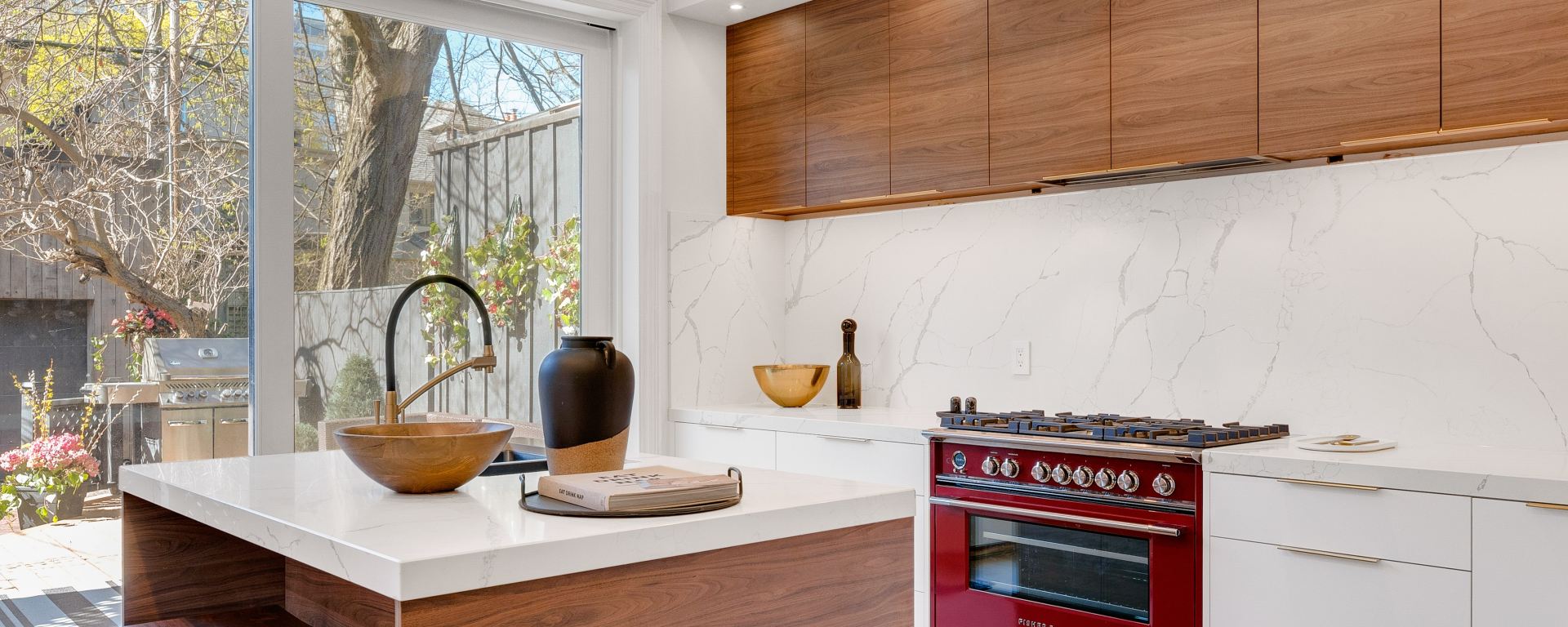
Designing and building a custom kitchen is one of the most rewarding home improvement projects you can undertake. It combines creativity, functionality, and craftsmanship to produce a space that reflects your personality and lifestyle. Whether you’re upgrading your existing kitchen or starting from scratch, knowing the right steps to take can make the process smoother and more enjoyable. This guide will walk you through each phase of the journey, with insights particularly relevant to those exploring custom kitchens Wollongong and the surrounding region.
Step 1: Define Your Vision and Goals
The first step in creating your custom kitchen is to define what you want to achieve clearly. Consider how you use your kitchen daily—do you love to cook elaborate meals, host family gatherings, or simply need a practical space for meal prep? Identifying your priorities will help you set the tone for the entire design process.
Create a wish list of features, materials, and styles that appeal to you. This could include everything from the type of benchtop material you prefer to the overall layout you envision. Collect inspiration from magazines, online galleries, or local showrooms in Wollongong to refine your ideas.
Step 2: Set a Realistic Budget
Once you have a vision in mind, determine how much you’re willing to spend. Budgeting early helps guide every subsequent decision, from cabinetry finishes to appliance selections. Be sure to factor in not only the visible elements like countertops and lighting but also installation costs, plumbing, and electrical work.
A realistic budget prevents unexpected expenses from derailing your project and ensures that your dream kitchen remains achievable. Many professionals in custom kitchens Wollongong can provide itemized quotes, giving you a clear picture of where your money is going.
Step 3: Plan Your Layout and Functionality
A beautiful kitchen is only as good as its functionality. The layout should support efficient workflow and movement. Think about the classic “kitchen work triangle”—the relationship between your sink, stove, and refrigerator. Keeping these areas conveniently located helps improve efficiency.
When designing your layout, consider your kitchen’s size and shape. Open-plan kitchens are popular for entertaining, while galley or U-shaped layouts might suit smaller homes. A professional designer can offer creative solutions for maximizing storage and workspace without sacrificing style.
Step 4: Choose Quality Materials and Finishes
Your material choices play a crucial role in both aesthetics and durability. Select surfaces that can withstand daily wear and tear while complementing your desired style. For instance, engineered stone benchtops offer a sleek modern appeal, while solid timber adds warmth and character.
Cabinetry is another key feature to focus on. Opt for high-quality finishes and hardware that ensure longevity. Don’t forget about lighting—it can transform the mood and usability of your space. A blend of task, ambient, and accent lighting will help highlight your kitchen’s best features.
Step 5: Collaborate With Experienced Professionals
Even if you have a strong design sense, working with experts ensures your vision is executed to perfection. Engage a designer, builder, or contractor who specializes in custom kitchens. In Wollongong, many reputable professionals have years of experience delivering tailored solutions that merge practicality with style.
When choosing your team, review their portfolios, check references, and discuss timelines and expectations upfront. Clear communication from the start helps avoid misunderstandings and keeps your project on track.
Step 6: Oversee Installation and Quality Checks
Once construction begins, stay involved throughout the installation process. Regular site visits and updates allow you to monitor progress and ensure that details match your design plan. Address any concerns promptly to prevent small issues from becoming major setbacks.
Before the final handover, conduct a thorough inspection. Check cabinetry alignment, appliance installations, paint finishes, and lighting placement. This final review guarantees that your custom kitchen meets both your aesthetic and functional expectations.
Step 7: Add Personal Touches
After the main build is complete, it’s time to make the space your own. Incorporate decorative elements like bar stools, indoor plants, or stylish splashbacks that reflect your personality. Small touches can elevate your kitchen from simply functional to truly inspiring.
Bringing It All Together
Creating a custom kitchen is an exciting process that blends creativity and craftsmanship. By following these structured steps—defining your goals, setting a budget, planning your layout, choosing quality materials, working with professionals, and adding personal details—you can achieve a space that perfectly fits your lifestyle.
For homeowners seeking refined, practical, and stylish custom kitchens Wollongong, the opportunities are endless. With thoughtful planning and expert guidance, your dream kitchen can become a beautiful reality—one that enhances your home and enriches your everyday life.
 TOPTOURZ.travel.blog